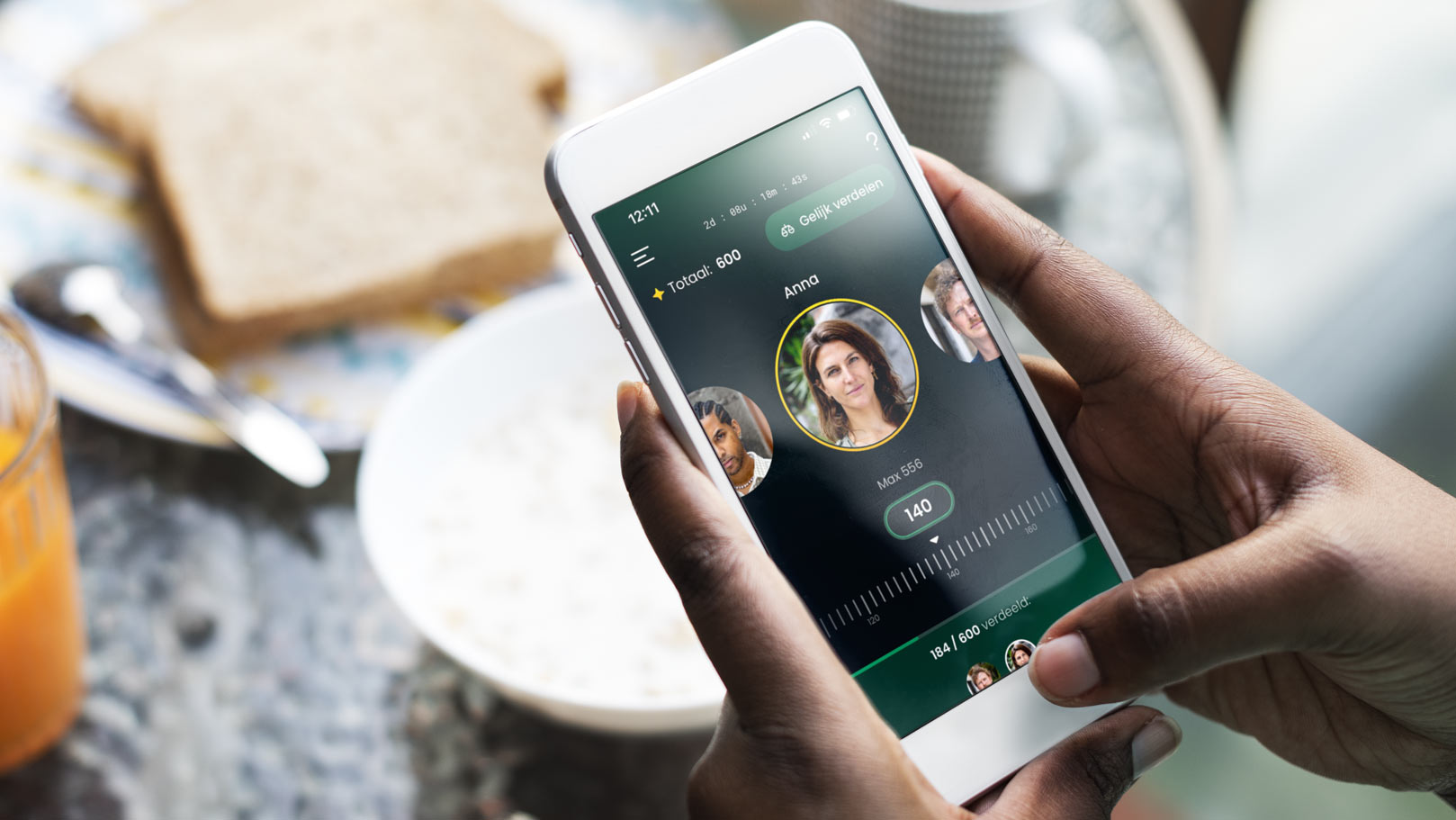



Mobile Device Analysis: test on the right devices
You want your mobile app to work flawlessly for all your users. But with so many different phones, operating systems, and screen sizes, it is difficult to determine which devices to test on. You cannot afford to make any mistakes. That is why Polteq helps you with a Mobile Device Analysis: we map out which devices your users actually use, so that testing is always effective.
What is a mobile device analysis?
This analysis clarifies which devices, OS versions, and browsers your users actually use. This prevents you from testing on outdated or rarely used devices and ensures you get the greatest return on your testing efforts.
- Why is this important?
- You test realistically, on the devices that are popular with your audience
- This way, you avoid surprises after going live
- You keep testing costs under control by testing selectively You increase the chance of satisfied users who find your app reliable
Method in a nutshell
- Analysis phase – Polteq determines together with you which data is needed.
- Data collection – We collect information via analytics, market insights, or partners.
- Results report – You receive a clear list of devices, OS, and browser versions.
- Advice – You receive recommendations based on user impact, technical priority, and test efficiency.
What’s in it for you?
-
Relevant testing equipment highlighted
-
Effective and future-oriented testing strategy
-
Reduced risks during go-live
-
Faster and cheaper testing with maximum coverage
To understand which devices, browsers and operating systems are being used, Polteq has developed a “device market analysis” service. With this analysis, we map out which devices, operating systems, and versions are used for your mobile website or app. This analysis is performed using an analysis model developed by Polteq.
Who is this relevant to?
For everyone who has or is developing a mobile app—from marketers to CTOs, test teams, or product owners—and wants your app to work reliably on the devices your target audience actually uses.